


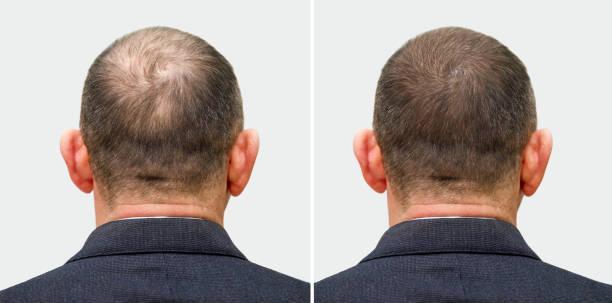
Experiencing itchiness after a hair transplant can feel frustrating, but it's a normal part of healing. Your scalp is adjusting to new grafts, and that tingle signals regeneration. Hair Transplant in Riyadh (زراعة الشعر في الرياض ) why it happens, safe relief methods, and tips to speed up recovery. Stay engaged—discover how simple tweaks can turn discomfort into confidence.
Why Does Itching Occur After Hair Transplant?
Itching kicks in around days 3-10 post-surgery as scabs form and shed. New follicles awaken, releasing histamines that trigger the sensation. Dryness from healing wounds amplifies it, while sweat or friction worsens matters. Understanding this empowers you to act smartly, avoiding scratches that risk graft loss.
Common Triggers During Recovery
Environmental factors like dust or heat play a role, especially in arid climates. Tight hats or rough pillows rub sensitive areas. Poor hygiene builds bacteria, intensifying itch. Spot these early to prevent escalation.
Safe Home Remedies for Instant Relief
Combat itch without compromising results using gentle, proven tricks. Start with cool compresses—damp cloths soothe inflammation in minutes. Apply aloe vera gel for its cooling, anti-inflammatory magic; it's nature's balm for irritated scalps.
Hydration and Moisturizing Essentials
Keep your scalp hydrated with doctor-approved sprays. Coconut oil lightly massages in, locking moisture without clogging pores. Drink plenty of water—internal hydration supports skin repair from within.
Over-the-Counter Solutions That Work
Pharmacies offer allies like hydrocortisone cream (1% strength) to calm flare-ups. Antihistamines such as loratadine reduce histamine-driven itch systemically. Saline sprays mimic tears, gently cleansing without harsh chemicals.
When to Use Medicated Shampoos
Opt for ketoconazole shampoos twice weekly—they fight fungal contributors while being transplant-safe. Always pat dry, never rub, to preserve delicate grafts.
Lifestyle Adjustments to Minimize Itching
Hair Transplant in Riyadh thrives in sunny weather, but sun exposure dries scalps fast—wear loose caps. Sleep elevated to cut swelling, and switch to silk pillowcases for friction-free nights. Avoid saunas or pools until cleared.
Diet tweaks shine here: omega-3-rich foods like salmon curb inflammation. Stress management via meditation prevents cortisol spikes that worsen symptoms.
When to Seek Professional Help
Mild itch fades in 2-4 weeks, but pus, severe redness, or fever screams infection—contact your surgeon immediately. Persistent cases might need prescription topicals. In Hair Transplant in Riyadh, local experts handle these swiftly.
Red Flags You Can't Ignore
Watch for spreading rash or graft displacement. Early intervention saves your investment, ensuring lush growth ahead.
Long-Term Strategies for Itch-Free Results
Post-recovery, maintain with biotin supplements and gentle scalp massages. Regular trims prevent traction itch. UV protectants shield healing skin long-term.
Hair Transplant in Riyadh patients love these habits—they lock in natural density for years.
Ready to ease your itch and boost results? Book an appointment consultation clinic at Enfield Royal Riyadh (إنفيلد رويال الرياض) today for personalized guidance.
FAQs
🤔 Is post-hair transplant itching a sign of failure?
No—it's a healthy healing marker. Grafts are rooting, causing temporary sensation. It peaks early, then subsides.
🛡️ Can I scratch my scalp after hair transplant?
Absolutely avoid it! Scratching dislodges grafts. Use distractions or remedies instead for safe relief.
💧 What's the best moisturizer for hair transplant itch in Riyadh?
Hypoallergenic, fragrance-free lotions like those with hyaluronic acid hydrate without irritation in dry climates.
⏰ How long does hair transplant itching last?
Typically 7-14 days, fully resolving by month 1. Follow care routines to shorten it.
🩺 Should I use ice packs for hair transplant relief?
Yes, wrapped ice for 10 minutes reduces swelling and itch. Never direct contact to avoid frostbite.

 English
 Arabic
 French
 Spanish
 Portuguese
 Deutsch
 Turkish
 Dutch
Dutch
 Italiano
 Russian
 Romaian
 Portuguese (Brazil)