


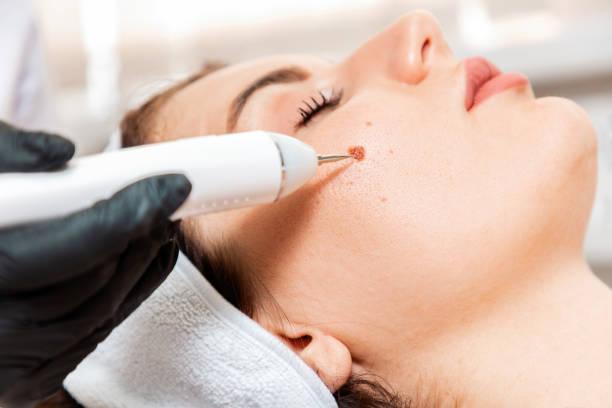
Warts are common skin growths caused by the human papillomavirus (HPV). While they are usually harmless, some warts, especially those that are large, persistent, or treated improperly, can leave scars. Professional wart removal in Riyadh (سعر إزالة الثالول بالليزر) ensures the growth is treated effectively while minimizing the risk of scarring, keeping your skin smooth and healthy.
Understanding the Risk of Scarring
Scarring occurs when the deeper layers of skin are damaged during the wart removal process. Improper or aggressive treatments at home, such as cutting, scratching, or using harsh chemicals, can increase this risk. Professional treatments are designed to target the wart precisely, preserving surrounding healthy skin and promoting natural healing.
Factors That Affect Scarring
-
Treatment method: Less invasive methods like cryotherapy, laser therapy, or salicylic acid reduce tissue damage.
-
Wart location: Sensitive areas such as the face, hands, and feet are more prone to scarring.
-
Size and depth of the wart: Larger and deeper warts may require multiple sessions, increasing the importance of careful treatment.
-
Skin type: Individuals with sensitive or darker skin may have a higher risk of noticeable scarring.
Understanding these factors helps in selecting the safest and most effective wart removal method.
Professional Wart Removal Methods That Minimize Scarring
Several dermatological treatments are designed to remove warts effectively while protecting the skin from permanent marks:
Cryotherapy: Freezing with Precision
Cryotherapy uses liquid nitrogen to freeze the wart tissue. The extreme cold destroys the wart without affecting nearby healthy skin. When performed by experienced dermatologists, this method offers precise treatment with minimal scarring.
Laser Therapy: Targeted and Controlled
Laser treatment targets the blood vessels feeding the wart, destroying the infected tissue while sparing surrounding skin. This precision reduces trauma to the skin and significantly lowers the risk of scarring.
Salicylic Acid Treatments: Gentle Skin Renewal
Topical treatments like salicylic acid gradually peel away the wart tissue without invasive procedures. This slow, controlled method allows the skin to regenerate naturally, reducing the likelihood of permanent marks.
Minor Surgical Removal: Careful Excision
In rare cases, dermatologists may use minor surgery for stubborn or large warts. Professional excision focuses on removing the wart completely while minimizing damage to the surrounding skin, which helps prevent scarring.
Tips to Prevent Scarring During Wart Removal
Even with professional care, patients can take steps to further protect their skin:
-
Avoid picking or scratching at the wart during or after treatment.
-
Follow post-treatment care instructions carefully.
-
Keep the area clean and moisturized to promote healing.
-
Protect the treated area from direct sun exposure to prevent dark spots.
Following these tips ensures the skin heals smoothly after wart removal.
Booking an Appointment
For safe and professional wart removal in Riyadh, Royal Clinic Saudia (عيادات رويال كلينك) provides advanced treatments that prioritize both effectiveness and skin health. Their experienced dermatologists use precise, minimally invasive methods to remove warts while minimizing the risk of scarring. Schedule your consultation today for smooth, healthy, and scar-free skin.
FAQs:
Can Wart Removal Cause Scars?
Scarring is possible if treatments are done improperly or aggressively. Professional removal methods reduce trauma to the skin, lowering the risk.
Which Treatments Are Least Likely to Cause Scars?
Cryotherapy, laser therapy, and topical salicylic acid treatments are gentle and precise, minimizing damage to surrounding skin.
How Can I Prevent Scarring After Wart Removal?
Follow post-treatment care instructions, avoid picking at the area, keep it clean and moisturized, and protect it from sun exposure.
Is Scarring More Likely on Certain Areas of the Body?
Yes, sensitive areas like the face, hands, and feet are more prone to scarring. Professional care is especially important for these locations.

 English
 Arabic
 Spanish
 Portuguese
 Deutsch
 Turkish
 Dutch
Dutch
 Italiano
 Russian
 Romaian
 Portuguese (Brazil)
 Tiếng Việt