


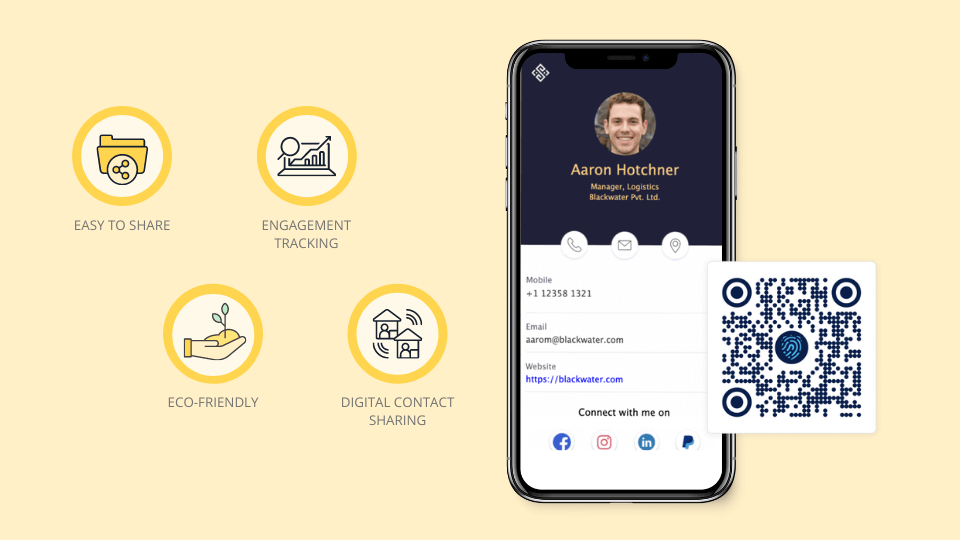
Despite its strong growth trajectory, the industry must navigate certain Digital Business Card Market Restraints that could potentially slow down the pace of adoption. One of the most significant challenges is the issue of data privacy and security. As digital cards store sensitive personal and professional information, users and organizations are rightfully concerned about how this data is collected, stored, and protected, making robust security protocols a non-negotiable requirement for market players.
A second major restraint is the persistent cultural attachment to the tradition of exchanging physical business cards in many industries and regions. This long-standing ritual is deeply ingrained in professional etiquette, and overcoming this inertia requires not just a superior technological solution but also a shift in mindset. The lack of a universal standard for digital cards can also create friction, as compatibility issues between different platforms may hinder a seamless exchange of information, thereby discouraging some potential users.
Finally, the challenge of digital literacy and accessibility poses another restraint. In some demographics or less technologically advanced sectors, there may be resistance or a learning curve associated with adopting a new digital tool. For the market to achieve its full potential, solutions must be incredibly intuitive, user-friendly, and accessible to a wide range of users, regardless of their technical proficiency. Addressing these restraints directly is paramount for ensuring continued and widespread market growth.

 English
 Arabic
 French
 Spanish
 Portuguese
 Deutsch
 Dutch
Dutch
 Italiano
 Russian
 Romaian
 Portuguese (Brazil)
 Tiếng Việt