


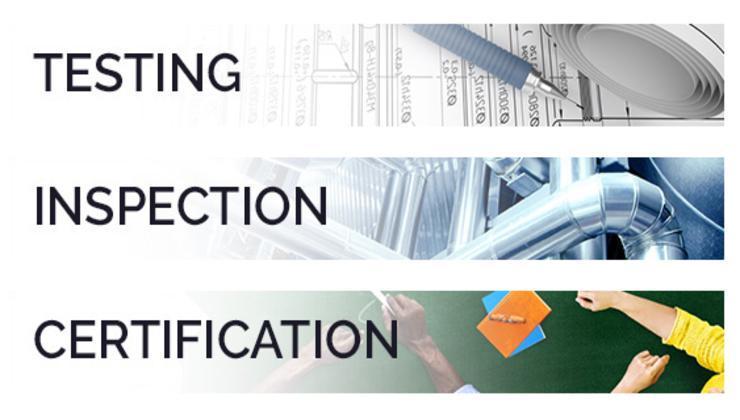
The global Testing, Inspection, and Certification (TIC) sector represents a cornerstone of international trade, quality assurance, and consumer safety, commanding a formidable economic footprint. A detailed examination of the Testing Inspection and Certification (TIC) Market Valuation reveals a multi-billion-dollar industry whose worth is derived from its indispensable role in virtually every major economic sector, including consumer goods, food and agriculture, automotive, aerospace, healthcare, and energy. This substantial valuation is not merely the sum of service fees; rather, it reflects the immense value TIC services provide by mitigating risks, ensuring regulatory compliance, and building trust between manufacturers, suppliers, regulators, and end-consumers. In an increasingly complex and globalized supply chain, where products and components traverse multiple countries before reaching the market, the need for independent, third-party verification is paramount. TIC companies act as trusted intermediaries, conducting rigorous tests to verify product safety and performance, inspecting production processes to ensure they meet quality standards, and providing certifications that serve as a passport for goods to enter new markets. This function is critical for preventing costly product recalls, avoiding legal liabilities, protecting brand reputation, and ultimately safeguarding public health and safety, making the investment in TIC services a fundamental cost of doing business in the modern economy.
The market's valuation is further underpinned by the ever-expanding web of international standards and government regulations. As concerns over environmental protection, data security, worker safety, and product quality intensify, governments and international standards organizations continuously introduce new and more stringent rules. For businesses, navigating this complex regulatory landscape is a significant challenge. TIC providers offer the expertise and accredited facilities necessary to test and certify products and systems against these standards, whether it's CE marking for products sold in the European Union, FCC certification for electronic devices in the United States, or ISO 9001 certification for quality management systems. This role as a facilitator of compliance is a primary driver of the market’s financial worth. Furthermore, the valuation encompasses a diverse range of services beyond simple product testing. It includes systems certification (e.g., environmental management systems like ISO 14001), supply chain audits to ensure ethical sourcing and labor practices, cybersecurity testing for software and connected devices, and inspection of critical infrastructure like power plants and oil rigs. This broad service portfolio demonstrates the industry's deep integration into the operational fabric of the global economy, solidifying its robust and growing valuation.
Moreover, the financial worth of the TIC market is amplified by powerful secular trends such as rising consumer awareness and the growth of outsourcing. Today's consumers are more informed and discerning than ever before, demanding transparency and proof of quality, safety, and sustainability in the products they purchase. Certifications and quality marks provided by reputable TIC companies serve as a powerful marketing tool, offering a tangible signal of trust that can influence purchasing decisions and build brand loyalty. Concurrently, the global trend of companies outsourcing their manufacturing and other business processes to third-party vendors has created a massive demand for supply chain assurance services. Businesses need to ensure that their partners and suppliers adhere to the same quality and ethical standards they uphold. TIC companies fulfill this need by conducting factory audits, pre-shipment inspections, and supplier verification programs, adding another significant and resilient revenue stream to the industry. This dual role—as both a guardian of standards and an enabler of trust in a complex, outsourced world—is what cements the high valuation of the global TIC market.

 English
 Arabic
 French
 Spanish
 Portuguese
 Deutsch
 Turkish
 Dutch
Dutch
 Italiano
 Romaian
 Portuguese (Brazil)
 Tiếng Việt