


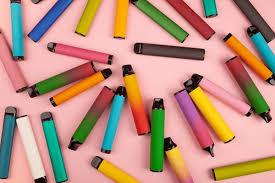
When I first came across disposable vapes, I noticed how convenient and easy they were to use. They are everywhere now, from local shops to online stores, and the variety of flavors like strawberry kiwi raz and blue razz raz vape makes them even more appealing. But the real question I find myself asking is: are disposable vapes really a safer choice for health compared to traditional smoking or other vaping options?
Understanding the Rise of Disposable Vapes
Disposable vapes are designed for single use, which means there is no need to refill e-liquid or replace coils. This makes them simple for beginners and appealing for anyone who doesn’t want to deal with maintenance. I often see people picking them up because of the low cost upfront and the wide range of flavors available.
The shift from smoking to vaping has been driven by the belief that vaping is less harmful. For many, disposable vapes become the first step in that transition. While they don’t carry the same tar and carbon monoxide found in cigarettes, they still come with health concerns that cannot be ignored.
The Problem: Health Risks Behind the Convenience
The convenience of disposable vapes can make people think they are harmless, but I’ve learned that’s not the case. Nicotine remains the main ingredient in most disposable vapes, and it can be highly addictive. Even if you choose a flavor like strawberry kiwi raz, the base of what you are inhaling doesn’t change.
Here are a few health risks linked to disposable vapes:
-
Nicotine dependence, which can lead to increased usage over time.
-
Exposure to chemicals in vapor that may irritate lungs and throat.
-
Uncertainty about long-term effects since vaping is still relatively new.
-
The temptation to overuse due to the compact size and easy draw.
I find it important to point out that while disposable vapes might reduce exposure to certain harmful substances compared to cigarettes, they are not completely risk-free.
The Agitation: Misconceptions and Marketing
What bothers me most is how disposable vapes are marketed. Flavors such as blue razz raz vape and strawberry kiwi raz make them sound fun, almost like candy. This kind of branding can downplay the fact that they still deliver nicotine. I’ve noticed younger people in particular are drawn in by these flavors, which can create a new cycle of dependence.
Another issue is the way disposable vapes are perceived as a healthier option without enough evidence. Some studies suggest vaping exposes users to fewer toxins than smoking, but fewer doesn’t mean none. When I think about the health claims, I see that a lot of them come from marketing rather than solid long-term research.
The Solution: Informed Choices and Health Awareness
If you’re considering disposable vapes, I believe the best thing you can do is approach them with awareness. I’ve come to realize that the health question is not about whether disposable vapes are safe, but whether they are safer compared to alternatives. Even then, the word safer is relative.
Here’s how I look at it:
-
If someone smokes heavily, switching to disposable vapes may reduce certain risks.
-
If someone doesn’t smoke at all, starting with disposable vapes introduces unnecessary nicotine exposure.
-
The short-term ease may not outweigh potential long-term health effects.
I also think about the environmental impact since disposable vapes create extra waste with batteries and plastic that often go unrecycled. So, even outside of personal health, there are broader issues to consider.
Making Sense of Disposable Vapes and Health
As I weigh the pros and cons, I can’t ignore that disposable vapes are part of a bigger shift in how people view nicotine use. They might feel like a modern alternative to smoking, but they carry their own set of challenges. When I tried to separate marketing from reality, I realized that health claims should be taken with caution.
Some things I keep in mind:
-
The addictive potential of nicotine remains the same, no matter the flavor.
-
The lack of long-term research makes it difficult to call them safe.
-
Convenience and taste can make people underestimate the risks.
I don’t deny that disposable vapes can be useful for someone who wants to quit smoking, but they shouldn’t be treated as harmless. In my view, the best health decision is to understand what’s really inside these products and not let flavors like strawberry kiwi raz or blue razz raz vape hide the facts.
Final Thoughts: Balancing Convenience and Health
When I reflect on whether disposable vapes are a safer choice for health, I see that the answer depends on context. For a smoker looking to move away from cigarettes, they might be a step down in harm. But for someone who doesn’t use nicotine, picking up disposable vapes introduces risks where none existed before.
I believe it comes down to making an informed decision. I try to look past the appealing flavors and the simple design, and instead focus on what using disposable vapes means for my health in the long run. The truth is, they are not risk-free, and the question of safety should be measured against personal circumstances.
For me, being realistic about what disposable vapes offer and what they don’t has been the key. They are convenient, they come in flavors like strawberry kiwi raz and blue razz raz vape, and they can reduce exposure compared to smoking. But at the same time, they bring nicotine dependence, uncertain long-term effects, and health risks that should not be overlooked.
So, are disposable vapes really a safer choice for health? Safer, maybe, for some people compared to cigarettes. Completely safe, no. And that’s the perspective I hold on them.

 English
 Arabic
 French
 Spanish
 Portuguese
 Deutsch
 Turkish
 Dutch
Dutch
 Italiano
 Russian
 Romaian
 Portuguese (Brazil)