


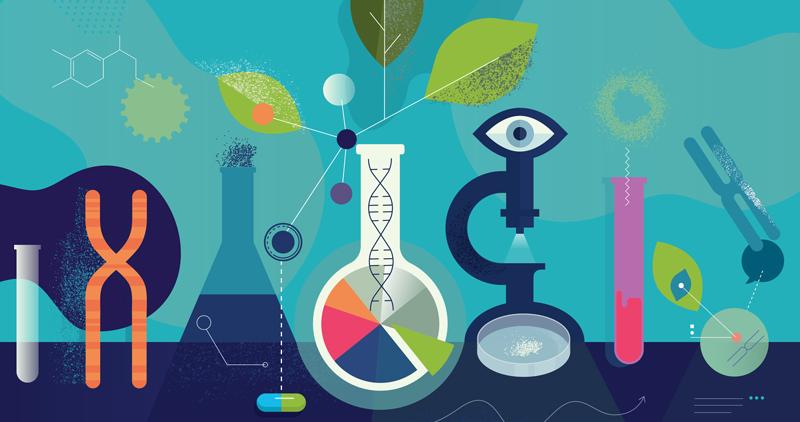
Science shapes the way we understand the world around us. From the tiniest particles to the vastness of space, science helps explain natural phenomena and solve real-world problems. For people interested in science and exploration, understanding its core principles can open doors to new discoveries and ideas. In this guide, we will explore science in a friendly and approachable way, highlighting key concepts and why they matter. Whether you are a student, hobbyist, Passionfruit Grape or just a curious reader, this post is designed to make science clear and engaging.
What Science Really Means
Science is more than just experiments in a lab—it is a method of understanding the universe. At its core, science relies on observation, experimentation, and reasoning. By asking questions and testing ideas, scientists can form conclusions that are evidence-based rather than based on assumptions.
Key elements of science include:
-
Observation: Noticing patterns or events in nature.
-
Hypothesis: Forming a testable explanation for what you observe.
-
Experimentation: Conducting controlled tests to see if the hypothesis holds.
-
Analysis: Interpreting results to draw meaningful conclusions.
-
Communication: Sharing findings with others to further knowledge.
Science is a collaborative process. Over time, ideas are refined, challenged, and improved, leading to deeper understanding. This process is what allows technological progress, from smartphones to space travel, to happen.
The Different Branches of Science
Science is divided into many branches, each focusing on different aspects of the natural world. These areas often overlap, making interdisciplinary studies increasingly important.
Some primary branches include:
-
Physics: Studies matter, energy, and the laws that govern them.
-
Chemistry: Focuses on substances, their reactions, and how they combine.
-
Biology: Explores living organisms, their structures, and behaviors.
-
Earth Science: Covers geology, meteorology, and environmental science.
-
Astronomy: Investigates space, planets, stars, and galaxies.
Understanding these branches can help us appreciate everyday phenomena. For instance, the way your Kiwi Strawberry Ice flavored drink stays cold involves principles of thermodynamics, while the natural ripening of Passionfruit Grape uses biological processes that scientists study in botany.
How Science Impacts Daily Life
Science is not limited to labs or textbooks—it affects everyday choices and innovations. Technology, healthcare, environmental protection, and even entertainment all rely on scientific principles.
Examples include:
-
Medicine: Vaccines, antibiotics, and medical imaging save lives.
-
Technology: Electronics, smartphones, and the internet depend on physics and engineering.
-
Food Science: Preserving flavors like Blue Baja Splash in beverages requires chemical understanding.
-
Environmental Solutions: Studying climate change helps guide sustainable practices.
Scientific literacy allows individuals to make informed decisions. Knowing how experiments work and how data is interpreted can help in understanding news, making health decisions, and even selecting products with confidence.
How to Explore Science Yourself
You don’t need a laboratory to enjoy science. Simple observations and experiments at home or outdoors can spark curiosity and learning.
Here are ways to get started:
-
Experiment with Everyday Items: Observe chemical reactions in cooking or create small physics experiments with household objects.
-
Read and Watch Science Content: Documentaries, articles, and videos provide explanations in engaging ways.
-
Join Science Clubs or Online Communities: Engage with people who share your curiosity.
-
Keep a Journal: Record observations and ideas, just like a scientist would.
Even exploring flavors like Passionfruit Grape or Kiwi Strawberry Ice can be an opportunity to understand chemistry and taste perception. Learning why Blue Baja Splash tastes refreshing or why certain combinations appeal to your palate combines biology, chemistry, and psychology.

 English
 Arabic
 French
 Spanish
 Portuguese
 Deutsch
 Turkish
 Dutch
Dutch
 Italiano
 Russian
 Romaian
 Portuguese (Brazil)