


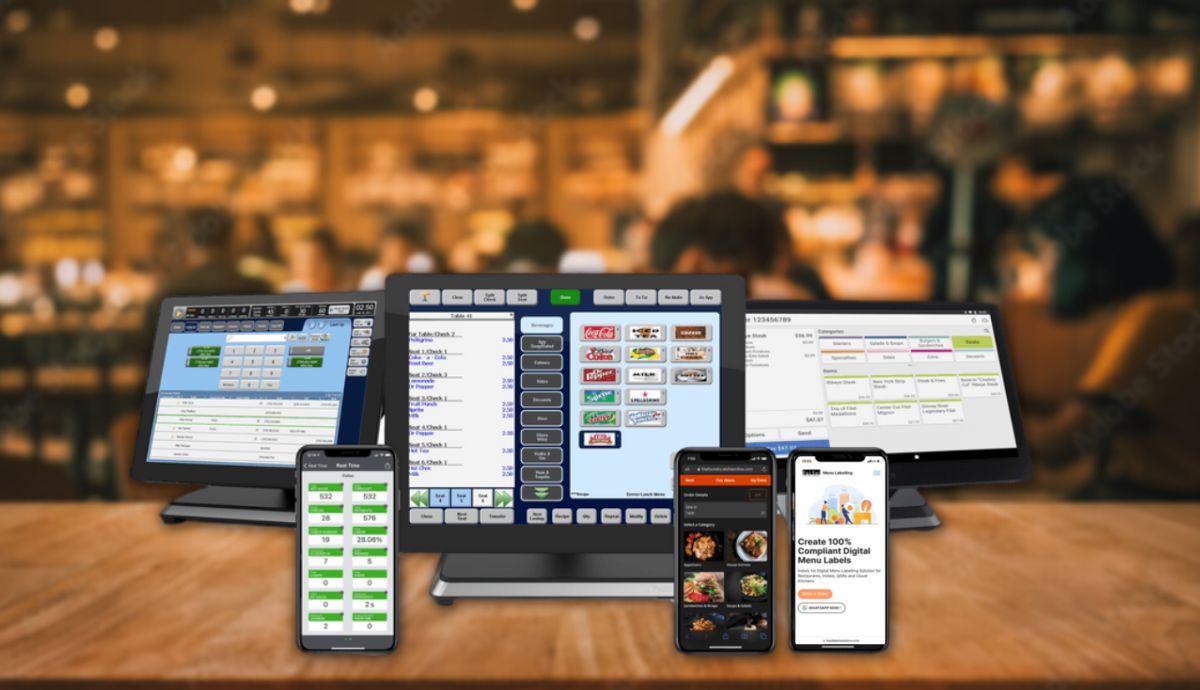
For a new company aiming to enter the highly competitive restaurant management software market, a well-defined and differentiated strategy is not just important—it is essential for survival. A pragmatic look at viable Restaurant Management Software Market Entry Strategies reveals that a frontal assault on the established, all-in-one platform giants like Toast is a low-probability, high-cost endeavor. The most successful new entrants are those that sidestep direct competition by focusing on a specific, underserved niche, innovating on the business model, or delivering a superior user experience for a particular segment of the market. The market's steady growth provides a continuous stream of new opportunities and unsolved problems. The Restaurant Management Software Market size is projected to grow USD 49.74 Billion by 2035, exhibiting a CAGR of 7.61% during the forecast period 2025-2035. This expansion creates space for innovative startups to gain a foothold and build a sustainable business by addressing the needs of a specific restaurant vertical or persona better than anyone else. The key is not to be another all-in-one platform, but to be the best-in-the-world solution for a well-defined problem.
One of the most effective entry strategies is to target a specific, underserved restaurant vertical. The needs of a fine-dining establishment are vastly different from those of a multi-location pizza chain, a food truck, or a "ghost kitchen" that only does delivery. A new entrant can build a deep competitive moat by creating a product that is purpose-built for the unique workflows of one of these verticals. For example, a software platform designed specifically for ghost kitchens could excel at managing orders from multiple virtual brands and delivery platforms, optimizing kitchen workflow for speed and efficiency. A platform for fine-dining restaurants could focus on advanced customer relationship management (CRM) features, tracking guest preferences, and providing a highly personalized service experience. A solution for breweries or wineries could include specialized inventory management for kegs and barrels and integration with compliance software. By becoming the undisputed expert in a single vertical, a new company can achieve strong product-market fit, generate powerful word-of-mouth marketing, and command premium pricing.
Another powerful entry strategy is to compete on user experience (UX) and design. Many restaurant management systems, particularly older ones, are notoriously clunky, unintuitive, and have a steep learning curve. This creates a significant opportunity for a new entrant to win customers by offering a solution that is beautifully designed, incredibly easy to use, and can be set up in minutes on commodity hardware like an iPad. This "consumerization of enterprise software" approach appeals to a new generation of restaurateurs who expect their business software to be as intuitive as the apps on their smartphone. A third strategy is to innovate on the business model. This could involve offering a radically transparent, flat-rate pricing model that contrasts with the complex, quote-based pricing of incumbents. Alternatively, a new entrant could pursue a product-led growth (PLG) strategy with a compelling free tier that handles basic POS functions, allowing them to acquire a large user base and then upsell more advanced features like inventory and marketing. This approach lowers the barrier to adoption and can create a powerful viral loop as restaurant staff move between establishments and recommend the software they know and love.
Top Trending Reports -
UK Enterprise File Synchronization Sharing Market

 English
 Arabic
 French
 Spanish
 Portuguese
 Deutsch
 Turkish
 Italiano
 Russian
 Romaian
 Portuguese (Brazil)
 Tiếng Việt