


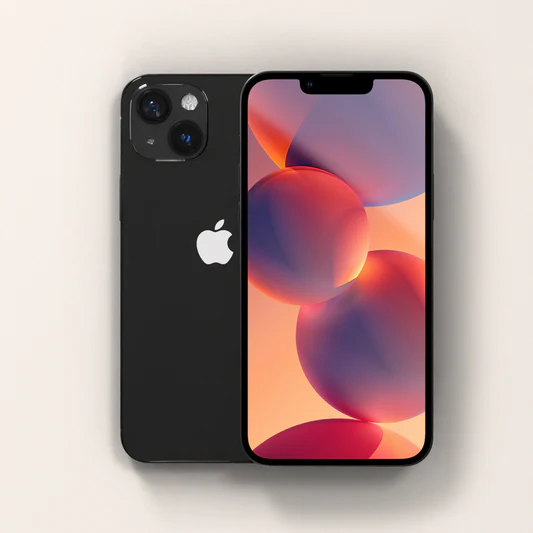
For a new company aspiring to enter the dynamic and increasingly professionalized used smartphone market, a well-defined and differentiated strategy is paramount to avoid being crushed by the scale of established players. A pragmatic review of effective Used Smartphone Market Entry Strategies indicates that a direct challenge to the large B2B logistics firms or the major marketplaces on their own terms is a high-risk proposition. The most viable entry strategies are those that focus on a specific, underserved niche, innovate on the business model, or leverage a unique technological advantage to create a defensible position. The market's significant and sustained growth ensures that new niches and opportunities are constantly emerging. The Used Smartphone Market size is projected to grow USD 218.77 Billion by 2035, exhibiting a CAGR of 17.51% during the forecast period 2025-2035. This expansion creates space for innovative and agile new entrants to succeed, not by competing on scale, but by providing a superior solution for a specific segment of the market's complex value chain. The key is to be a specialist, not a generalist.
One of the most effective entry strategies is to focus on a specific niche in either sourcing or sales. On the sourcing side, instead of competing for consumer trade-ins, a new company could specialize in B2B device buy-backs, focusing exclusively on acquiring and refurbishing large fleets of smartphones from corporate clients who are upgrading their employees' devices. This provides a predictable and often high-quality source of supply that is different from the consumer-driven channels. On the sales side, a new entrant could build a D2C brand that caters to a very specific customer persona. For example, a company could create a brand focused entirely on privacy and security, offering refurbished phones with custom, de-Googled operating systems installed. Another niche could be a subscription service for refurbished phones, targeting parents who want to provide their children with an affordable and replaceable first smartphone. By targeting a narrow, well-defined customer segment with a tailored value proposition, a new company can build a loyal following and a strong brand identity without needing a massive marketing budget to compete for the general consumer.
Another powerful entry strategy is to be a technology or service enabler for the existing ecosystem, rather than a direct seller of phones. A new startup could develop a superior, AI-powered diagnostic software that more accurately grades a phone's cosmetic condition and battery health, and then license this software to refurbishers and marketplaces. This "picks and shovels" approach allows the company to sell to the entire industry rather than competing within it. A different service-oriented strategy could be to become a specialized, high-quality repair provider for a specific brand or type of repair (e.g., micro-soldering for logic boards), offering these services on a B2B basis to other refurbishers who lack that specific expertise. Looking forward, new entry strategies will likely involve emerging technologies. A company could build a platform that uses blockchain to create an immutable record of a device's history—its past repairs, parts replacements, and ownership—to bring a new level of transparency and trust to the market. This focus on providing a critical technology or service to the existing players can be a highly scalable and capital-efficient way to enter and succeed in the market.
Top Trending Reports -
Europe Immersive Analytics Market

 English
 Arabic
 French
 Spanish
 Portuguese
 Deutsch
 Turkish
 Dutch
Dutch
 Italiano
 Romaian
 Portuguese (Brazil)
 Tiếng Việt