


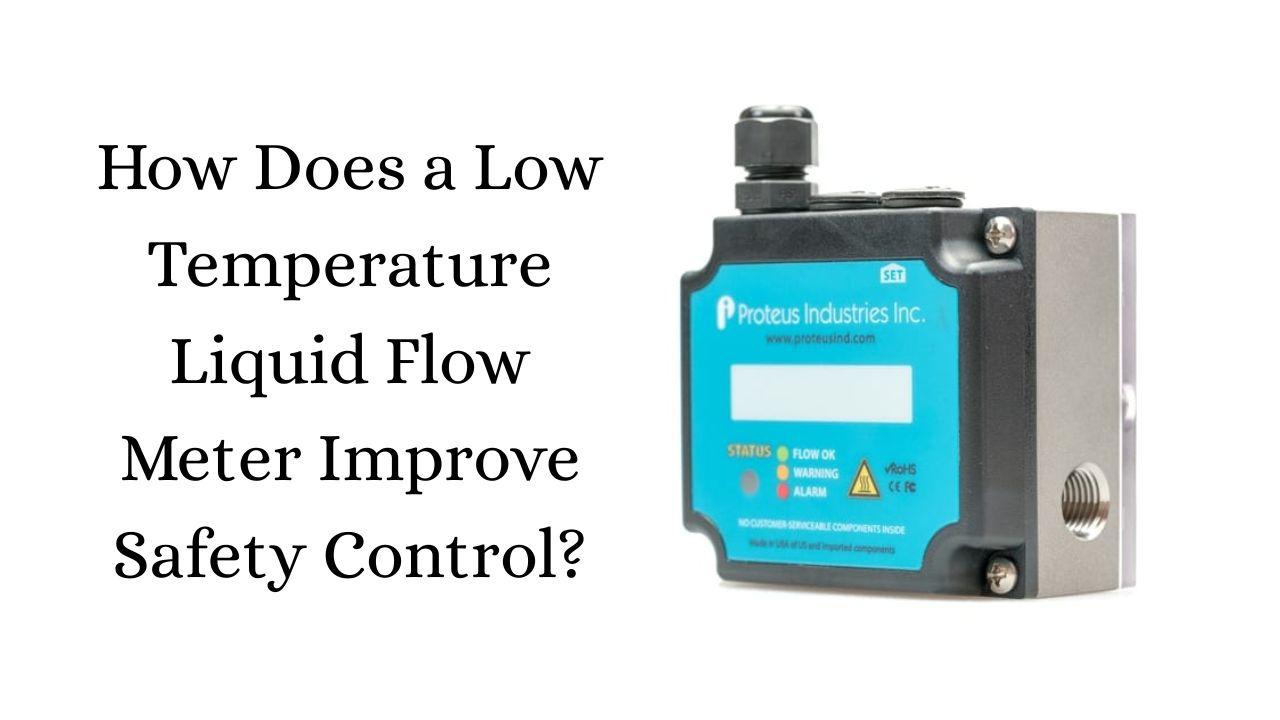
In industrial environments where cryogenic fluids, refrigeration systems, and extreme temperature processes are common, maintaining precise control over liquid flow is paramount. A low temperature liquid flow meter serves as a critical safety component that ensures equipment protection, prevents catastrophic failures, and secures personnel from hazardous conditions. These specialized instruments are engineered to operate reliably in temperatures, making them essential for industries dealing with heat transfer fluids, liquid nitrogen, and other low-temperature applications.
What Is a Low Temperature Liquid Flow Meter?
Liquid flow meter is a precision measurement device designed to monitor the flow rate of liquids operating in sub-zero to moderate temperature ranges. Unlike conventional flow meters, these specialized units feature enhanced materials and digital signal processing capabilities that maintain accuracy and reliability even when exposed to extreme thermal conditions. The Proteus 8000 Series, for instance, operates effectively from -40°C to 90°C, with customizable versions available for temperatures up to 150°C and beyond.
Critical Safety Features of Low Temperature Flow Meters
Automatic Alarm Systems and Equipment Protection
The most significant safety advantage of low temperature liquid flow meters lies in their automatic alarm functionality. When flow rates drop below predetermined thresholds, the meter immediately triggers alerts that can prevent equipment damage. This feature is particularly crucial for cooling systems protecting lasers, welding equipment, and heat exchangers where insufficient coolant flow could lead to catastrophic overheating.
Enhanced Accuracy Through Digital Signal Processing
Precision measurement is fundamental to safety control. Low temperature liquid flow meters utilize digital signal processing deliver accuracy levels of approximately 3% across their entire flow range. This enhanced stability ensures that operators receive reliable data even when dealing with viscosity changes, temperature fluctuations, and varying fluid properties common in cryogenic applications.
Real-Time Monitoring and Data Output
Modern low temperature flow meters provide multiple output options. This real-time data transmission enables continuous monitoring of critical cooling circuits, allowing operators to identify developing problems before they escalate into safety hazards.
The ability to trend flow data over time also facilitates predictive maintenance strategies.
Applications Where Safety Control
Industrial Cooling Systems
Manufacturing facilities utilize laser cutting equipment, induction heating systems, and plasma torches depend on reliable cooling to prevent thermal damage. A low temperature liquid flow meter ensures these critical cooling circuits maintain adequate flow rates, protecting multi-million-dollar capital equipment from heat-related failures.
Cryogenic blog
Industries handling liquefied gases such as nitrogen, oxygen, and argon require flow monitoring systems capable of withstanding extreme temperatures while maintaining measurement integrity. Low temperature flow meters prevent dangerous pressure buildups, ensure proper venting, and monitor transfer operations where flow interruptions could create safety hazards.
Pharmaceutical and Laboratory Applications
Research laboratories and pharmaceutical manufacturing facilities use precision temperature-controlled environments where maintaining specific thermal conditions is essential for product quality and researcher safety. Flow meters in these applications guarantee that cooling systems for reactors, incubators, and environmental chambers operate within safe parameters.
Key Benefits for Operational Safety
Prevention of Equipment Downtime
Unplanned equipment failures often result from cooling system malfunctions that go undetected until catastrophic damage occurs. By providing early warning of flow anomalies, low temperature flow meters enable maintenance teams to address issues during scheduled downtime rather than experiencing costly emergency repairs.
Regulatory Compliance
Many industries operate under strict safety regulations requiring documented monitoring of critical systems. Low temperature flow meters with integrated data logging capabilities provide the documentation necessary to demonstrate compliance during safety audits and regulatory inspections.
Energy Efficiency and Cost Reduction
While primarily safety devices, flow meters also contribute to energy savings by ensuring cooling systems operate at optimal efficiency levels. Detecting and correcting flow restrictions, leaks, or pump inefficiencies reduces energy consumption while maintaining the safety margins necessary for reliable operation.
Selecting the Right Low Temperature Flow Meter
Flow Range Considerations
Proper meter selection begins with understanding the required flow range for your application. Meters are available for flows ranging from 0.2 LPM to over 227 LPM, and selecting a meter whose range matches your system requirements ensures optimal accuracy and reliability.
Material Compatibility
The meter's wetted materials must be compatible with the fluids being monitored. Options include brass for general-purpose water and glycol applications, and stainless steel for corrosive fluids or applications requiring enhanced durability and pressure ratings.
Installation and Integration
Consider connection types, mounting configurations, and output signal compatibility with existing control systems. Meters with multiple output options provide greater flexibility for integration with diverse automation platforms.
Conclusion
Low temperature liquid flow meters represent a critical investment in operational safety, equipment protection, and process reliability. Their ability to provide continuous monitoring, automatic alarming, and precise measurement in challenging thermal environments makes them indispensable for industries ranging from manufacturing to research laboratories. By detecting flow anomalies before they result in equipment damage or safety hazards, these meters deliver both immediate protective benefits and long-term operational advantages.

 English
 Arabic
 French
 Spanish
 Portuguese
 Deutsch
 Turkish
 Dutch
Dutch
 Italiano
 Russian
 Romaian
 Tiếng Việt