


The escalating frequency and sophistication of cyber attacks propel threat intelligence adoption rates higher. Organizations experiencing data breaches understand the critical Threat Intelligence Security Service Market importance firsthand. Ransomware attacks have increased dramatically, targeting businesses of all sizes indiscriminately. The Threat Intelligence Security Service Market size is projected to grow USD 22.19 Billion by 2035, exhibiting a CAGR of 10.29% during the forecast period 2025-2035. Nation-state actors employ advanced persistent threats against government and corporate targets continuously. Cybercriminal organizations operate with increasing sophistication, utilizing complex attack methodologies and evasion techniques. Supply chain attacks have emerged as particularly dangerous threats affecting multiple organizations simultaneously. The financial impact of cyber attacks motivates organizations to invest significantly in preventive intelligence solutions. Security professionals require comprehensive threat intelligence to stay ahead of evolving attack vectors.
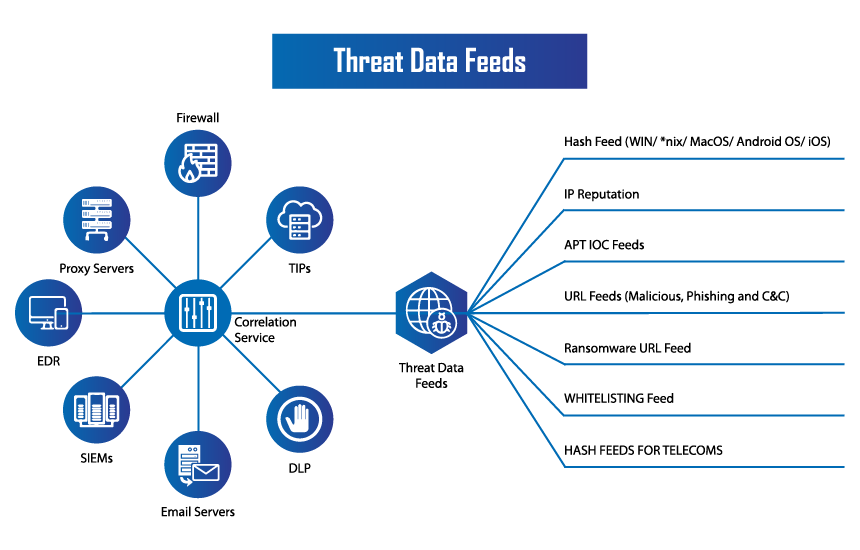
Understanding the threat landscape requires continuous monitoring of multiple information sources and channels. Dark web forums provide valuable insights into planned attacks and available exploitation tools. Threat actors frequently discuss vulnerabilities and share attack techniques in underground communities openly. Intelligence analysts monitor these communications to provide early warning of potential threats. Indicator compromise databases help organizations identify malicious activity within their networks quickly. Behavioral analysis techniques detect anomalous patterns that may indicate ongoing intrusions or attacks. Machine learning algorithms process vast amounts of data to identify subtle threat indicators automatically. Correlation engines connect seemingly unrelated events to reveal coordinated attack campaigns effectively. Threat intelligence platforms aggregate information from multiple sources for comprehensive situational awareness.
Different threat categories require specialized intelligence collection and analysis approaches for effectiveness. Advanced persistent threats demand long-term monitoring and detailed adversary profiling capabilities continuously. Commodity malware threats require rapid identification and signature distribution across security infrastructure. Insider threats necessitate behavioral monitoring and user activity analysis for early detection purposes. Distributed denial-of-service attacks require network-level intelligence and traffic analysis capabilities extensively. Social engineering attacks demand awareness training supported by intelligence about current phishing campaigns. Zero-day vulnerabilities require close relationships with security research communities and vendors globally.
Threat intelligence sharing has become essential for collective defense against sophisticated cyber adversaries. Information Sharing and Analysis Centers facilitate threat intelligence exchange within specific industry sectors. Government cybersecurity agencies provide threat intelligence to critical infrastructure operators and private sector organizations. Commercial threat intelligence providers offer subscription-based access to curated intelligence feeds regularly. Open-source threat intelligence communities contribute valuable information without commercial restrictions freely. Automated threat intelligence sharing protocols enable real-time distribution of indicators and warnings efficiently. Trust relationships between organizations determine the depth and quality of shared intelligence significantly.
Top Trending Reports -
Cloud-Based Contact Center Market Trends

 English
 Arabic
 French
 Spanish
 Portuguese
 Deutsch
 Dutch
Dutch
 Italiano
 Russian
 Romaian
 Portuguese (Brazil)
 Tiếng Việt